
Must-Have Titles for the Best Classroom Library Collection
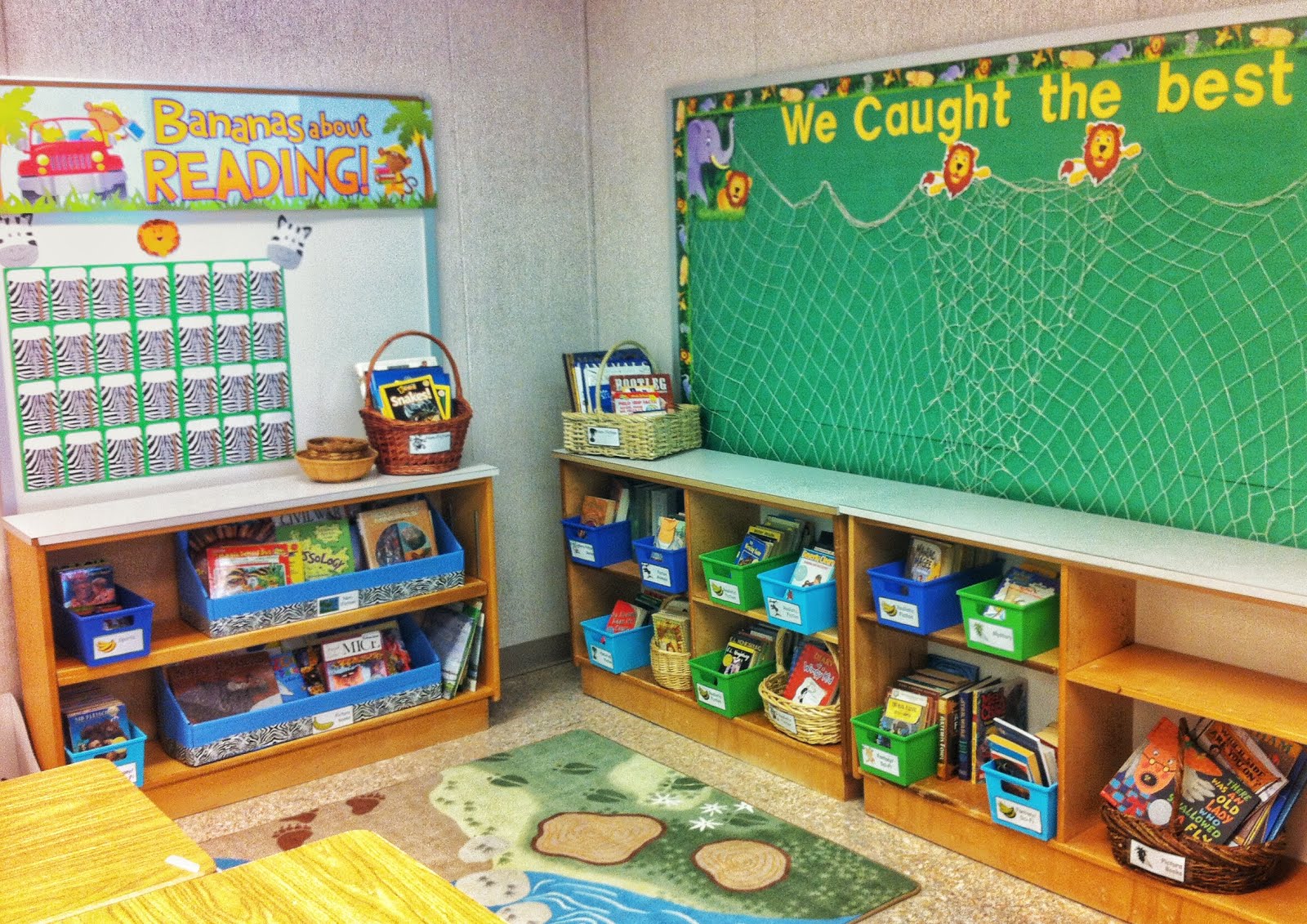
A well-stocked classroom library is more than just a shelf of books—it’s a gateway to curiosity, empathy, critical thinking, and lifelong reading habits. Whether you’re a seasoned educator or setting up your first classroom, curating the right collection of books is one of the most impactful things you can do for your students. But with so many titles out there, how do you decide which books belong in a truly great classroom library?
In this comprehensive guide, we’ll dive into must-have titles for every classroom, organized by category, and explore how to build a collection that reflects diversity, inspires imagination, supports literacy goals, and gets students genuinely excited about reading. From picture books and graphic novels to timeless classics and contemporary gems, these are the books that belong in every educator’s toolkit
Why Your Classroom Library Matters More Than Ever
Before diving into the book lists, it’s worth remembering why the classroom library holds such power. In a world filled with screens, short attention spans, and standardized tests, giving students access to a diverse, inclusive, and engaging library is a radical act of trust and inspiration.
Here’s what a strong classroom library does:
- Fosters a love of reading by letting students choose what they want to read.
- Encourages independent learning and exploration beyond the curriculum.
- Promotes empathy and understanding through stories from different cultures and perspectives.
- Boosts literacy across all subjects by improving vocabulary, fluency, and comprehension.
- Creates safe spaces where students can see themselves—and others—reflected in the pages.
If your goal is to raise readers, thinkers, and compassionate humans, your classroom library is one of your best tools.
What Makes a Book a “Must-Have”?
Let’s be clear: not every “bestseller” or “award-winner” is right for your students. When choosing books for your classroom, here are the qualities to look for:
- Relatable characters and situations that reflect student lives or open windows into others’.
- Age-appropriate content with thoughtful themes that challenge without overwhelming.
- High-interest plots that keep readers turning the page.
- Literary quality—beautiful writing, compelling voice, and lasting impact.
- Diverse perspectives, including race, culture, ability, gender identity, and family structure.
- Genre variety to meet all kinds of readers: fantasy, nonfiction, historical fiction, mystery, and more.
Now let’s look at the essential titles to build the ultimate classroom library, grade by grade.
Must-Have Titles for Grades K–2
At this age, students are developing their reading foundations. Books should be rich in vocabulary, illustration, and theme, while sparking curiosity and joy.
Picture Books:
- “Last Stop on Market Street” by Matt de la Peña
A beautiful story about gratitude, community, and seeing beauty in unexpected places. - “The Day You Begin” by Jacqueline Woodson
A poetic celebration of courage in unfamiliar spaces, perfect for building inclusion. - “Where the Wild Things Are” by Maurice Sendak
A timeless tale of imagination, emotion, and the comfort of coming home. - “Ada Twist, Scientist” by Andrea Beaty
Part of the Questioneers series, inspiring STEM curiosity and confidence. - “Hair Love” by Matthew A. Cherry
A loving story about self-acceptance and father-daughter bonds.
Early Readers:
- “Frog and Toad” series by Arnold Lobel
Simple yet profound stories about friendship and emotional intelligence. - “Henry and Mudge” by Cynthia Rylant
Endearing tales perfect for early readers building stamina. - “Biscuit” series by Alyssa Satin Capucilli
Gentle, repetitive texts for your very newest readers. - “Elephant and Piggie” by Mo Willems
Hilarious dialogue and expressive illustrations build fluency and joy. - “Little Bear” by Else Holmelund Minarik
Classic early reader stories filled with warmth and wonder.
Must-Have Titles for Grades 3–5
These grades are a golden age of reading—students can dive into chapter books, explore genre, and connect emotionally with characters. Your library should offer both comfort and challenge.
Chapter Books:
- “Charlotte’s Web” by E.B. White
A heartwarming story of friendship and life cycles. - “Because of Winn-Dixie” by Kate DiCamillo
A charming, emotional journey about family, belonging, and a lovable dog. - “The One and Only Ivan” by Katherine Applegate
Told from a gorilla’s POV, this novel teaches compassion, creativity, and advocacy. - “Wonder” by R.J. Palacio
Encourages kindness and empathy through the story of a boy with facial differences. - “Frindle” by Andrew Clements
Empowers students to think critically about language, authority, and creativity.
Graphic Novels:
- “El Deafo” by Cece Bell
A graphic memoir that explores hearing loss with humor and heart. - “Amulet” series by Kazu Kibuishi
Action-packed fantasy with rich illustrations—great for reluctant readers. - “Dog Man” by Dav Pilkey
Silly and wildly popular—perfect for hooking reluctant readers.
Nonfiction:
- “Who Was?” series
Biographies of famous figures told in student-friendly style. - “Hidden Figures: The True Story of Four Black Women and the Space Race” by Margot Lee Shetterly
An inspiring story of resilience and brilliance.
Must-Have Titles for Grades 6–8
Middle schoolers crave relevance, complexity, and representation. Books should challenge their thinking, validate their experiences, and push them to grow.
Contemporary Fiction:
- “Ghost” by Jason Reynolds
Track star Castle Cranshaw’s story is fast-paced, real, and emotionally rich. - “Front Desk” by Kelly Yang
Mia Tang runs a motel while navigating immigration, family, and friendship. - “Brown Girl Dreaming” by Jacqueline Woodson
Poetic memoir about growing up Black in America. - “New Kid” by Jerry Craft
A graphic novel that tackles race, class, and middle school with humor and honesty. - “The Crossover” by Kwame Alexander
Told in verse, this sports story is filled with rhythm, depth, and family love.
Historical Fiction:
- “Refugee” by Alan Gratz
Intertwined stories of young refugees from different eras—eye-opening and emotional. - “Roll of Thunder, Hear My Cry” by Mildred D. Taylor
A powerful story of racism and resilience in the Jim Crow South.
Fantasy and Sci-Fi:
- “Percy Jackson” series by Rick Riordan
Mythology meets adventure in this hit series. - “The Giver” by Lois Lowry
A dystopian classic that raises ethical and philosophical questions. - “The Girl Who Drank the Moon” by Kelly Barnhill
A rich, lyrical fantasy with themes of identity and love.
Don’t Forget Read-Aloud and Classroom Favorites
You’ll want books that can be read aloud as a whole class, sparking discussion and modeling fluency. These titles are often timeless, beloved, and layered with meaning.
- “Holes” by Louis Sachar
Layered storytelling, unforgettable characters, and powerful themes of justice. - “Matilda” by Roald Dahl
Kids love rooting for the clever, book-loving underdog. - “The Watsons Go to Birmingham—1963” by Christopher Paul Curtis
Humor and history combine in this civil rights-era novel. - “Fish in a Tree” by Lynda Mullaly Hunt
A moving story about dyslexia, self-worth, and good teaching. - “Save Me a Seat” by Sarah Weeks and Gita Varadarajan
Dual perspectives explore identity, culture, and bullying.
Tips for Building and Organizing Your Library
A great library isn’t just about the books—it’s also about how you use and organize them. Here are tips to make the most of your collection:
1. Label by Genre or Theme
Color code or bin your books by genre—fantasy, historical, graphic, nonfiction, etc. You can also label with themes like “Friendship,” “Adventure,” or “Strong Female Leads.”
2. Include Student Favorites
Let students nominate “must-read” books each year. A student-recommended shelf builds buy-in and buzz.
3. Create Author Study Corners
Highlight authors like Jacqueline Woodson, Gary Soto, Kate DiCamillo, or Jason Reynolds with multiple books and background info.
4. Rotate Books Seasonally
Keep the library fresh by switching books monthly—especially holiday, seasonal, or curriculum-linked titles.
5. Add Mirrors and Windows
Every student should see themselves (mirrors) and others (windows) in your library. Prioritize inclusive representation across race, gender, ability, and more.
Final Thoughts: The Library as a Launchpad
A classroom library isn’t just a place to borrow books—it’s a launchpad for curiosity, courage, creativity, and connection. It’s where students fall in love with reading, see new possibilities, and discover who they are and what they care about.
You don’t need every book on this list to build something powerful. Start with a small core of quality books, get student input, and grow over time. What matters most is creating a space where students feel seen, heard, and inspired to read.
Ready to start building or refreshing your library? Let me know your grade level, and I can help you create a customized list or even a digital checkout system. Let’s raise the next generation of readers—one shelf at a time.
